Wind Power

Wind power is the conversion of wind energy into a useful form of energy, such as using wind turbines to make electricity, windmills for mechanical power, windpumps for water pumping or drainage, or sails to propel ships.

Hydropower

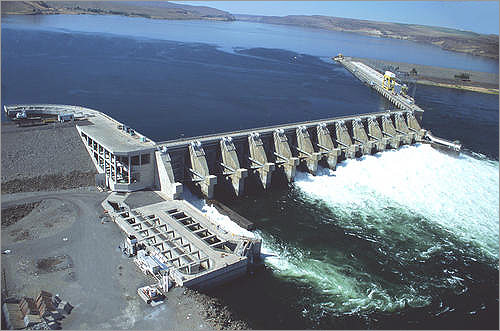
Hydro-power system (hydroelectric power) is a clean source of energy systems that can neither pollute or be consumed during its operation. Learn more here.

Solar Energy

There is a renewed focus as more and more people see the advantages of solar energy and as it becomes more and more affordable. Learn more about solar energy here!

10 WAYS TO KEEP COOL AT HOME WITHOUT AIR-COND

Save energy during hot day. It’s easy to keep your house cool without air conditioning. Employing a few basic environmentally friendly principals will help keep you cool and will help you save money.

10 TIPS TO SAVE ENERGY, MONEY IN YOUR HOME

A whopping 46 percent of home energy use is, umm, energy loss! In other words, no productive energy use at all! Here are simple ways of reversing this, mostly by changes of habit.

Showing posts with label Wind Power. Show all posts

About Wind Power

Wind power is the conversion of wind energy into a useful form of energy, such as using wind turbines to make electricity, windmills for mechanical power, windpumps for water pumping or drainage, or sails to propel ships.


At the end of 2010, worldwide nameplate capacity of wind-powered generators was 197 gigawatts (GW).


Energy production was 430 TWh, which is about 2.5% of worldwide electricity usage; and has doubled in the past three years. Several countries have achieved relatively high levels of wind power penetration, such as 21% of stationary electricity production in Denmark, 18% in Portugal, 16% in Spain, 14% in Ireland and 9% in Germany in 2010. As of May 2009, 80 countries around the world are using wind power on a commercial basis.
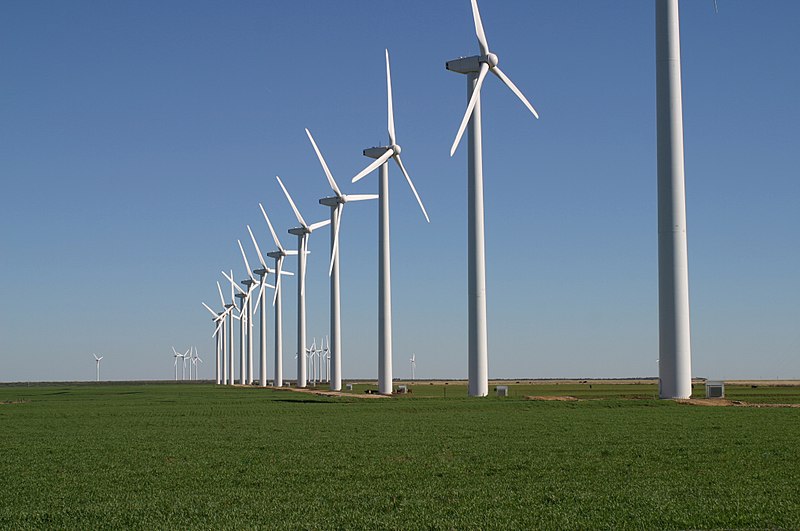


Large-scale wind farms are connected to the electric power transmission network; smaller facilities are used to provide electricity to isolated locations. Utility companies increasingly buy back surplus electricity produced by small domestic turbines. Wind energy, as an alternative to fossil fuels, is plentiful, renewable, widely distributed, clean, and produces no greenhouse gas emissions during operation. The construction of wind farms is not universally welcomed because of their visual impact, but any effects on the environment are generally among the least problematic of any power source.


The intermittency of wind seldom creates problems when using wind power to supply a low proportion of total demand, but as the proportion rises, increased costs, a need to upgrade the grid, and a lowered ability to supplant conventional production may occur. Power management techniques such as exporting and importing power to neighboring areas or reducing demand when wind production is low, can mitigate these problems.


History of Wind Power

Humans have been using wind power for at least 5,500 years to propel sailboats and sailing ships. Windmills have been used for irrigation pumping and for milling grain since the 7th century AD in what is now Afghanistan, India, Iran and Pakistan.

In the US, the development of the "water-pumping windmill" was the major factor in allowing the farming and ranching of vast areas otherwise devoid of readily accessible water. Windpumps contributed to the expansion of rail transport systems throughout the world, by pumping water from water wells for the steam locomotives. The multi-bladed wind turbine atop a lattice tower made of wood or steel was, for many years, a fixture of the landscape throughout rural America. When fitted with generators and battery banks, small wind machines provided electricity to isolated farms.


In July 1887, a Scottish academic, Professor James Blyth, undertook wind power experiments that culminated in a UK patent in 1891. In the US, Charles F. Brush produced electricity using a wind powered machine, starting in the winter of 1887-1888, which powered his home and laboratory until about 1900. In the 1890s, the Danish scientist and inventor Poul la Cour constructed wind turbines to generate electricity, which was then used to produce hydrogen. These were the first of what was to become the modern form of wind turbine.


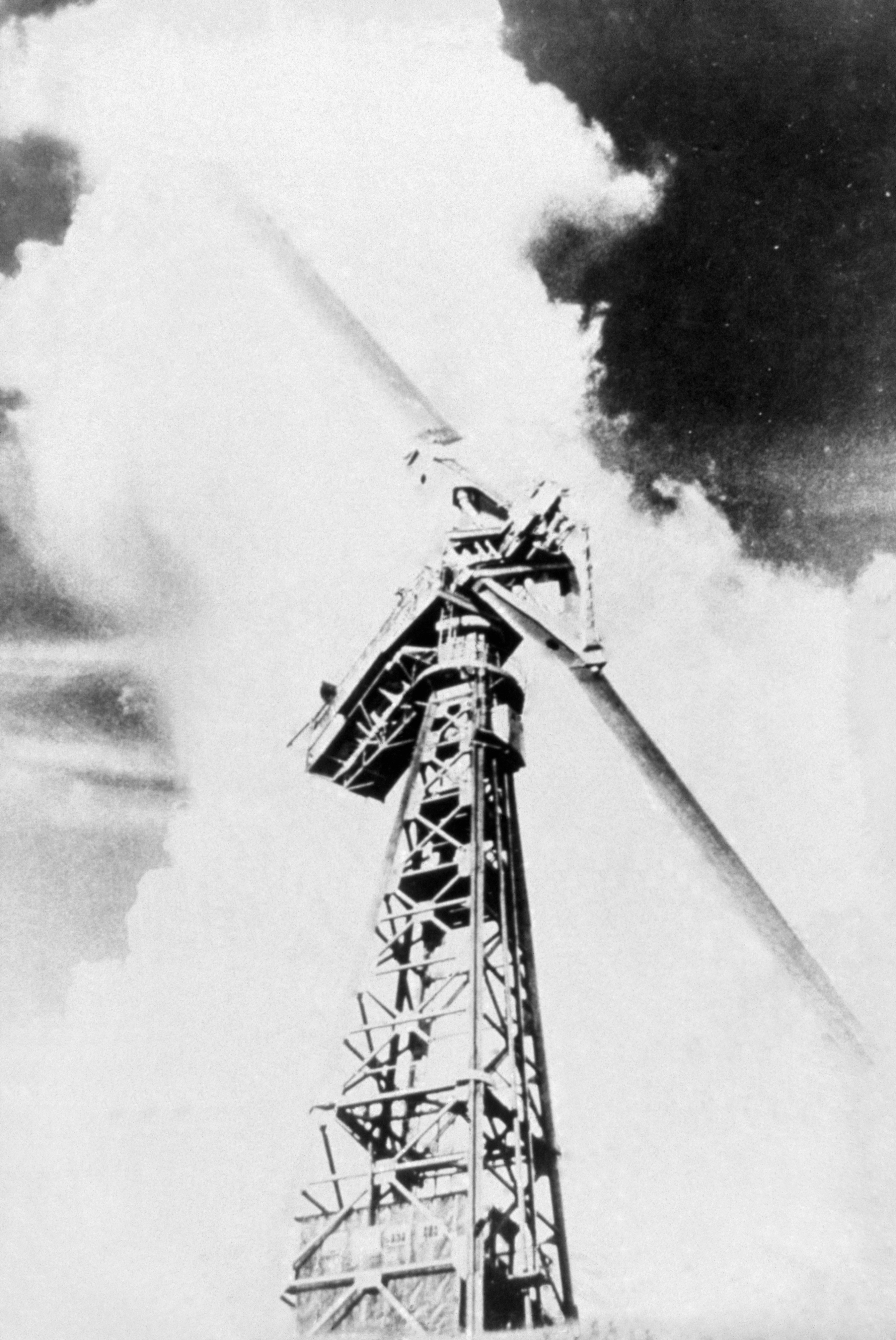
Small wind turbines for lighting of isolated rural buildings were widespread in the first part of the 20th century. Larger units intended for connection to a distribution network were tried at several locations including Balaklava USSR in 1931 and in a 1.25 megawatt (MW) experimental unit in Vermont in 1941.


The modern wind power industry began in 1979 with the serial production of wind turbines by Danish manufacturers Kuriant, Vestas, Nordtank, and Bonus. These early turbines were small by today's standards, with capacities of 20–30 kW each. Since then, they have increased greatly in size, with the Enercon E-126 capable of delivering up to 7 MW, while wind turbine production has expanded to many countries.


Related Posts Plugin for WordPress, Blogger...

Share

Twitter Delicious Facebook Digg Stumbleupon Favorites