Wind Power

Wind power is the conversion of wind energy into a useful form of energy, such as using wind turbines to make electricity, windmills for mechanical power, windpumps for water pumping or drainage, or sails to propel ships.

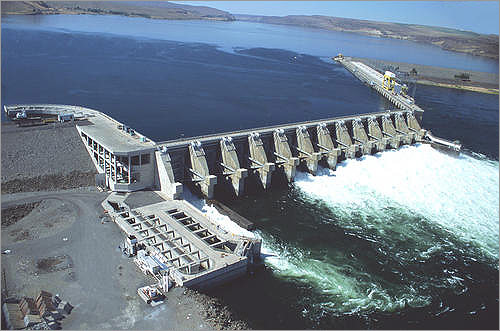
Hydropower

Hydro-power system (hydroelectric power) is a clean source of energy systems that can neither pollute or be consumed during its operation. Learn more here.

Solar Energy

There is a renewed focus as more and more people see the advantages of solar energy and as it becomes more and more affordable. Learn more about solar energy here!

10 WAYS TO KEEP COOL AT HOME WITHOUT AIR-COND

Save energy during hot day. It’s easy to keep your house cool without air conditioning. Employing a few basic environmentally friendly principals will help keep you cool and will help you save money.

10 TIPS TO SAVE ENERGY, MONEY IN YOUR HOME

A whopping 46 percent of home energy use is, umm, energy loss! In other words, no productive energy use at all! Here are simple ways of reversing this, mostly by changes of habit.

Showing posts with label Green Ideas. Show all posts

What is the most promising renewable energy source?


The most promising source of renewable energy is definitely solar energy. This is primarily because the Sun is the most abundant source of renewable energy available on our planet. At this time solar energy, despite its huge popularity, still accounts for less than one percent of total global energy demand, which means that world is still far away from turning solar power into a dominant source of energy on our planet.

Fossil fuels will likely continue to rule the energy world, at least for the next 30-50 years, if not till the end of this century. Fossil fuels have tradition and proven technology, not to mention the powerful lobbies on their side. However, world has to also think about the climate change issue and this is where renewable energy sources such as solar have a huge edge over fossil fuels.

The prices of solar panels have been experiencing steady decline for the past couple of years, and this trend will also have to continue in years to come. Why? Because solar power technologies first need to achieve cost-competitiveness with fossil fuels before being implemented on much wider scale.

The intermittency of solar energy is also one of the issues that solar energy industry will have to solve as soon as possible. There have been many promising solar energy storage solutions that could do the trick for intermittency but science still has to find the adequate energy storage solution that would be commercially viable.

Solar panels also need to significantly improve their efficiency. The current average level of efficiency is less than 20%, which means that lot of potentially useful energy gets wasted in the form of heat. Scientists have done numerous researches with the goal of improving the efficiency of solar cells but so far the majority of proposed solutions have been connected with high costs.

Solar power technologies have only started developing and they will certainly take some time before fulfilling their enormous potential. Solar energy is currently having huge public support as well as large funds at its disposal which means that solar power industry has excellent foundations on which to build its future.

Where Do Electronics Go When They Die?


10 Ways to Keep Cool at Home Without Air-Cond

Save energy during hot day. It’s easy to keep your house cool without air conditioning. Employing a few basic environmentally friendly principals will help keep you cool and will help you save money.


1. Hot Air Out, Cool Air In

The most basic thing you can do to keep your house cooler without air conditioning is to keep as much sunlight out as possible and let cooler air in at night. During the day, keep windows, drapes, blinds or shades closed, especially on the southern and western sides of your home. If you have a porch, you can put up large plastic or bamboo shades to cut down on sunlight.


2. Windows

Use white or light colored window dressings to reflect light. You can also apply reflective slicks to windows to further cut down on light. At night, leave cabinets open as well, as they will store heat.


3. Be a Fan of the Fan

Moving air is cooler air. At night, place fans in windows to bring more cool air in. Ceiling fans can also make a big difference. In terms of cooling, even a one-mile-per-hour breeze will make you feel three to four degrees cooler. In terms of energy savings, if you run a ceiling fan full-blast for 12 hours, you will only spend about $10 a month in electricity. Ceiling fans have two settings, one to pull air up, and the other to push air down. Make sure your ceiling fan is blowing down.


4. Turn Your Fan into an Air Conditioner

Another easy way to cool your home without air conditioning is to place a bowl of ice or a frozen milk jug in front of one or more fans.


5. What’s hot in your home?

It’s one thing to keep hot air and sunlight out; it’s another to identify the appliances in your home that generate heat. If you aren’t at home during the day, it is easier to simply shut off as many electric appliances as possible. If you spend more of your day at home, try to use heat-generating appliances only during the coolest part of the day.


6. Electronics

Keeping your electronics on a power strip provides a quick way to “power-down” before leaving for the day.


7. Light Bulbs

Change incandescent bulbs for cooler fluorescent bulbs. Turn off lights when not in use.


8. Humidity

Humidity makes a room hotter. Do laundry early or late in the day. Take showers or baths during the cooler times of day. If your bathroom, laundry room or kitchen has vents, use them. Invest in a dehumidifier if you live in a humid climate.


9. Insulate Your Attic

A well-insulated attic, especially when an attic ventilating fan is used, is one of the best ways to keep heat out of your home.


10. Landscaping

As you plan out landscaping for your home, be mindful of having deciduous trees, trellises and shrubbery on the southern and western portions of your home. Don’t place heat-absorbing rocks, cement or asphalt too close to the house.


With a small amount of planning, you are on your way to a cooler and more enjoyable hot day!

10 Tips to Save Energy & Money in Your Home

A whopping 46 percent of home energy use is, umm, energy loss! In other words, no productive energy use at all! Here are simple ways of reversing this, mostly by changes of habit.


1. Each degree you turn down the heat saves 3 percent of heating costs, while each degree you raise the temperature of your air conditioner saves 3-4 percent of cooling costs. By changing the temperature by 2 degrees all year, you can save about 2,000 pounds of C02 a year.


2. Cook with a slow cooker or a toaster oven (or even a solar oven!) to reduce electrical use from kitchen appliances. For a meal that requires one hour to cook in an electric oven, and which uses 2.7 pounds of C02, a crockpot uses 0.9 pounds of C02 for seven hours, a toaster oven takes 1.3 pounds of C02 for 50 minutes, and a microwave only 0.5 pounds of C02 for 15 minutes of cooking. A solar cooker requires NO C02!


3. Switch to a laptop instead of using a desktop computer and cut three-quarters off your electrical use. Turn off the laptop at the end of the day.


4. Switch to cold water washing and save 80 percent on energy used for laundry and save an estimated $60 a year. Hang dry your clothes instead of using the dryer and save 700 pounds of C02 a year.


5. Plug anything that can be powered by a remote control or that has a power cube transformer (little black box) into a power strip, and turn it off, and/or unplug, when not in use. (Power cubes are 60-80 percent inefficient.)


6. Turn off the lights when you aren’t using them and reduce your direct lighting energy use by 45 percent. Stop using heat-producing halogen lamps (they can also be fire hazards). Install occupancy or motion sensors on outdoor lights.


7. Switch to compact fluorescent from regular incandescent bulbs and use 60 percent less energy per bulb and save 300 pounds of C02 a year.


8. Wrap your water heater in an insulation blanket and save 1,000 pounds of C02 a year. Insulate your hot water pipes.


9. Use public transportation whenever possible, carpool, shop locally, and ideally switch to a hybrid or energy-efficient car (if you haven’t already).


10. Keep your tires inflated to improve gas mileage by 3 percent. Every gallon you save also saves 20 pounds of C02 emissions.


Related Posts Plugin for WordPress, Blogger...

Share

Twitter Delicious Facebook Digg Stumbleupon Favorites